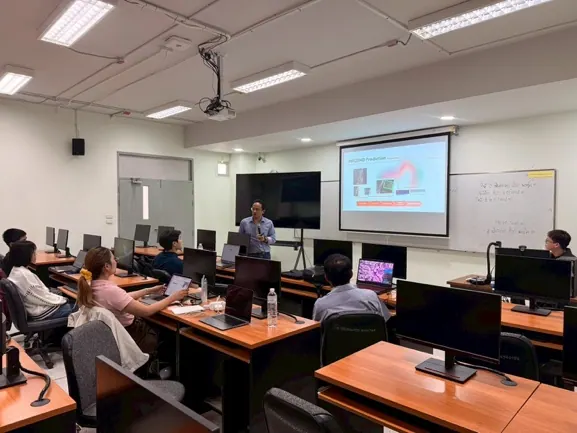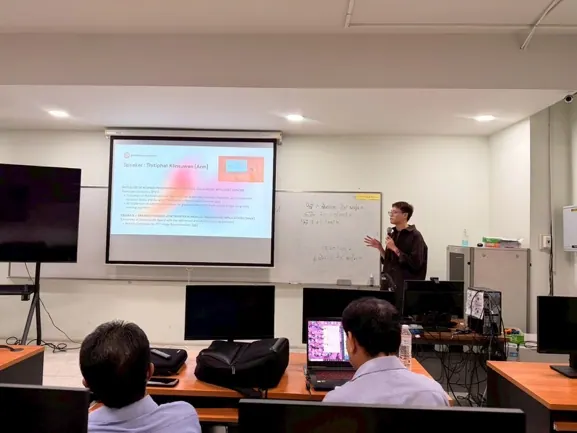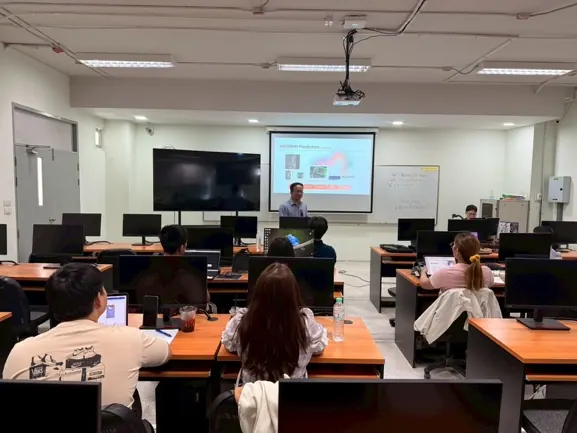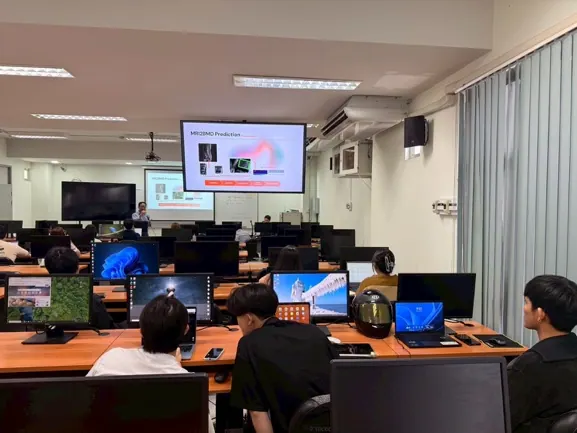
In-depth training on image feature extraction techniques from deep research models for real-world medical applications.
Objectives
- To provide participants with a fundamental understanding of image analysis using AI techniques.
- To enhance knowledge in image processing, feature extraction, and building interpretable models.
- To bridge research in image classification with real-world medical applications.
- To develop skills in using AI tools and interpreting results for medical data.
Rationale
Medical Image Classification is essential for screening, diagnosis, and treatment follow-up. Accurate and rapid classification helps doctors make timely decisions, reduces errors, and improves patient quality of life.
Currently, AI and Deep Learning are used to handle massive image datasets. Despite high accuracy, challenges include domain shift, inconsistent image quality, and lack of ground truth labels.
Domain shift across different equipment and institutions.
Inconsistent image quality (blur, noise, artifacts).
Lack of accurate ground truth labels requiring specialized expertise.
Model transparency and the "black box" concern.
Standards, security, and patient privacy issues.
Evaluation standards like sensitivity, specificity, and ROC-AUC are crucial for medical deployment.
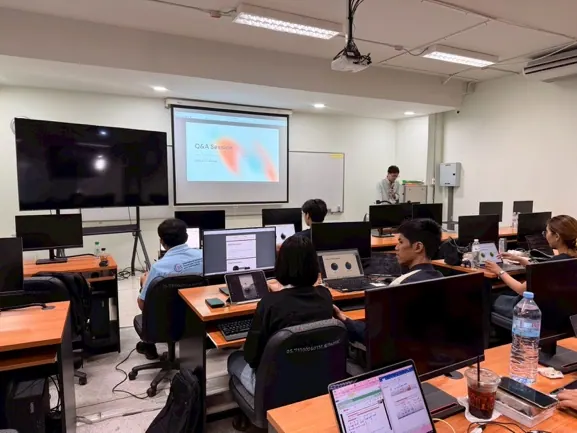
The 2-day workshop is structured as follows:
Day 1: Fundamentals, research review, preprocessing, and Grad-CAM interpretation.
Day 2: Handcrafted feature extraction, classical ML pipelines, and practical implementation.
This seminar builds a bridge from research to practice, enhancing the potential of academic and operational health personnel.